Wenjulan Whole Body Care was inspired by deeply personal experiences with cancer and alopecia. But when consumers began assuming its products were intended specifically for people undergoing treatment for those conditions, the New Mexico company faced a positioning problem. “Wenjulan has always been about creating something that feels supportive without being overwhelming,” founder Dave Landis told Inside Retail. “This next chapter is about expressing that more clearly. We’re paring thin
hings back and allowing the experience to speak for itself.”
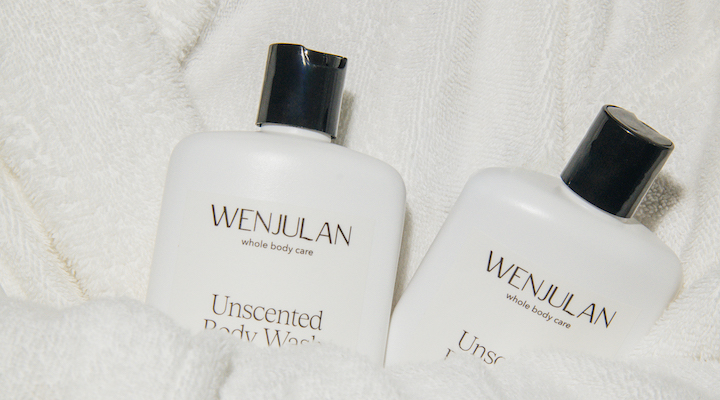
To address the issue, Wenjulan relaunched in April 2026 with a new logo and packaging, a redesigned website and a more restrained approach to storytelling. The repositioning comes as the US body care market continues to grow. According to global research firm Research and Markets, the category was valued at US$16.2 billion in 2024 and is projected to reach US$20 billion by 2030, representing a compound annual growth rate of 3.7 per cent.
The brand’s origin, though, was far removed from commercial opportunity. In 2017, while running Rocker Rags, an e-commerce website selling officially licensed music merchandise, Landis supported a loved one through cancer treatment.
“While they were undergoing radiation, they would be in a big room with other patients also undergoing radiation, and the two big questions that kept coming up were, “What did I do to get this?” and “How do I prevent it from coming back?”” he said.
A subsequent conversation with a friend who owned a hair salon further inspired the idea. They discussed ingredients commonly found in beauty products and Landis began exploring an alternative approach to body care.
In 2023, he officially launched Wenjulan Whole Body Care with four SKUs sold through a direct-to-consumer website. The name incorporates the acronym C.A.R.E., which stands for Cancer and Alopecia Research Endeavor.
After exploring marketing and brand-building strategies in the sector, Landis went back to the drawing board.
Landis wanted to move beyond the list of “nos” often associated with cleaner beauty brands, including no artificial fragrances, sulfates, parabens or phthalates. He also drew heavily on his home state of New Mexico when developing the products.
Yucca, New Mexico’s official state flower, is incorporated into Wenjulan’s products in powdered form, creating a natural sudsing effect normally achieved with less natural ingredients.
The range also contains clay, an ingredient that evokes New Mexico’s desert environment and offers benefits to sensitive skin types.
Although the formulas remain unchanged, Wenjulan’s original presentation had an “all-natural” feel that did not reflect the premium direction Landis envisioned.
“It wasn’t that we were trying to pitch it in a hippity-dippity way initially; so much of it was due to our budget. The packaging had a more rustic look and feel that wasn’t really indicative of where I saw the brand and where I wanted to take it next. What wound up happening was that when we started advertising on social media, we saw decent sales, but we also really struggled because our message wasn’t coming across clearly.”
While some consumers understood Wenjulan’s broader proposition, its connection to cancer and alopecia came to dominate perceptions of the brand. Landis supports those causes with a portion of the company’s sales, but wanted the products to reach a wider audience.
After consulting a brand strategist, Landis developed a marketing approach that acknowledged Wenjulan’s origin story without allowing it to define the company.
“Basically, the way we pitch now is that Wenjulan is a premium body care brand focused on gentle, minimal ingredients that are specifically chosen for maximum benefits.”
Where does Wenjulan go from here?
“Our main goal right now is to get the brand out in front of people by really honing in on a lot of digital marketing. Aside from building community, we are really trying to convey this high-end spa-worthy aesthetic.”
Once Wenjulan has firmly established its new image, Landis plans to expand its range beyond soap and further into the body care category with products such as body lotion.
The brand’s revival already appears to be paying off. Soon after the relaunch, Wenjulan secured listings on Nordstrom’s website and Garmentory, an online marketplace connecting shoppers with independent boutiques, emerging designers and contemporary brands from around the world.
Ultimately, Landis wants Wenjulan’s products to be stocked in spas, luxury hotels and clean beauty retailers such as Credo Beauty across the country.
“When I was originally talking with the branding agency about what the brand was and where we want to take it, I said that I wanted to make sure that this looks as at home at a casita in the Mexican desert as it does in a mansion in Beverly Hills.”
With Wenjulan’s chic, minimalist black-and-white design and clearer positioning, Landis believes its ethos will now resonate with his target customer.
Wenjulan is fully bootstrapped, having been “self-funded from the start”, Landis said. He plans to keep it that way for now.
“We continue to be self-funded for a number of reasons. One, because we’re not yet in a position where we would confidently want to go out into the funding marketplace yet. Two, there’s a lot of vision to take this brand beyond where it currently is and beyond where body care as a category currently is. There are a lot of plans for the brand that potential funding right now could potentially limit.”
Landis is now focused on introducing Wenjulan to a broader audience, launching new SKUs and expanding its roster of retail partners.