The immediate dismissal of Anthony Heraghty, Super Retail Group’s chief executive and managing director, this week has raised questions about the effectiveness of the company’s corporate governance. The abrupt leadership change comes after Super Retail Group spent more than a year defending its now former CEO following allegations of an undisclosed relationship with the group’s former chief HR officer, Jane Kelly. The board said on Tuesday that it had received “new information” from He
rom Heraghty about his relationship with Kelly, which led to the decision.
However, an experienced Australian retail executive who spoke to Inside Retail on the condition of anonymity said: “Where there’s smoke, there’s fire.”
“I’m not sure what level of interrogation that the board actually did, because it was pretty clear all the way along that there was something happening there,” the executive added.
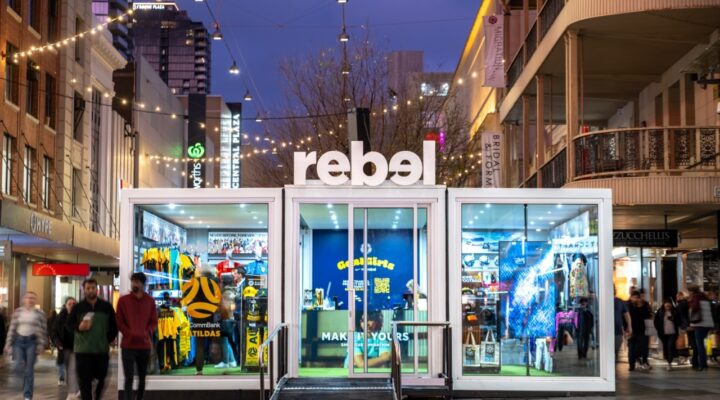
Super Retail Group is the Australian company behind sportswear chain Rebel, auto parts business Super Cheap Auto and outdoor retailers BCF and Macpac.
The saga began in April 2024, when the board told shareholders that Super Retail Group would defend any court proceedings related to allegations lodged by its former chief legal officer, Rebecca Farrell, including the non-disclosure of a relationship between Heraghty and Kelly.
The board assured shareholders that it had conducted a review and investigation into the allegations with the support of independent external advisers and concluded they were unsubstantiated.
While the story closely resembles other HR scandals playing out in the public arena – both Nestlé and Astronomer recently let go of their CEOs for having affairs in the workplace – Super Retail Group stands out for the significant time and resources it invested in defending its CEO, before ultimately dismissing him.
A lesson in independent governance
The spectacle taking place at Super Retail Group highlights not the complexity of workplace relationships but the importance of effective corporate governance.
The retail executive who spoke to Inside Retail on the condition of anonymity said the decision-making from Super Retail Group’s board reflects a lack of both independence and situational awareness.
“I think that the board obviously needed to be a little bit more focused on some of those governance matters,” the executive said. “All that money [that went] into trying to defend the case and the abuse of shareholder funds throughout the process, it’s quite extreme.”
Colleen Callander, consultant and former Sportsgirl chief executive, told Inside Retail that the biggest lesson retailers can take away from Super Retail Group’s experience is that culture and governance matter just as much as strategy.
“When issues play out publicly, they not only impact reputation but also erode trust internally and externally,” said Callander.
“Boards must ensure they have clear governance structures, transparent communication channels and a genuine focus on culture, not just compliance,” she continued.
“It is also a reminder that boards cannot afford to be passive; they need to be actively engaged, asking the right questions, and staying closely connected to the lived experiences of people throughout the organisation.”
A note on company culture
While the initial support of Heraghty is likely to be a costly mistake for Super Retail Group, it will be difficult to measure the lasting impact of this affair on its company culture.
The company’s handling of the affair and allegations from whistle-blowers give the impression that “people aren’t allowed to speak up for themselves, and it’s the prevailing culture which remains in the business,” the retail executive stated.
Farrell, the company’s former chief legal officer, claims that she faced bullying, harassment, victimisation and unfair dismissal because she raised serious corporate governance breaches.
From Callander’s perspective, an independent board isn’t only important to mitigate risk, but also assists with retailers pursuing greater transparency, trust and alignment around shared purposes and healthy conflicts.
“Independent directors bring fresh perspectives, diversity of thought and a willingness to ask the tough questions without fear or favour,” Callander explained.
“This independence helps prevent boards from falling into ‘same thinking’ or simply agreeing with the majority, and ensures that decisions are made in the best interest of the business, its people and its customers, not just the loudest voices in the room,” she added.
Retail boards should view growth opportunities and risk mitigation as two sides of the same coin, Callander said, and not prioritise short-term wins over long-term stability.
“The strength of a board often comes down to the courage of its independent members to balance oversight with support,” Callander concluded.
After firing Heraghty, Super Retail Group’s board is now “carefully considering the implications this may have for the company and any related matters.”