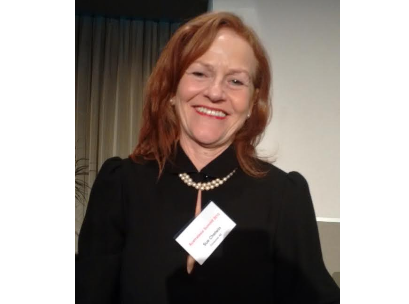
Sue Chetwin, CEO of Consumer NZ, emphasises social media benefits The news has been awash with stories of food establishment proprietors resorting to social media to vent anger, reduce competition or glorify themselves. To give an example, the owner of Molten Sven Nielsen has been described as attacking a customer on Facebook for writing a scathing review of his restaurant in Mt Eden on Zomato. According to Nielsen, the offe
nder in question should have complained as soon as he was unhappy with the food and not after eating it.
Nielsen soon had other restaurateurs rallying to his support, describing Zomato and the like as restaurant parasites and online ranters.
Another incident saw Ekim Burgers’ Mike Duffy lash out at a woman who privately sent him a message saying her son had been sick after eating one of his burgers.
Duffy vented his anger by publicly attributing her son’s sickness to a lack of personal hygiene on social media. This resulted in many people spurning Ekim Burgers. Ekim Burgers hit back by posting McDonald’s phone number on its website so as to redirect annoyed customers to McDonald’s. McDonald’s responded by telling irate callers that Ekim was giving away free burgers.
Allegations have also been flying around that that some hoteliers have written scathing reviews of their competitors to reduce competition or have promised discounts to patrons if they provide them with glowing reviews. Patrons who wrote authentic negative reviews have also been told off as not being equipped to make such judgements.
This commotion has elicited varying responses. According to Sue Chetwin, CEO of Consumer NZ, the savvy consumer should be able to filter out nonsensical commentary and ulterior motives and the benefits of this medium should rather be emphasised, however, it could just as well be argued that the casual browser makes a note of a comment or review without having the time or patience to review it further.
Derek Bonar, GM for Consumer NZ, underscores Chetwin’s opinion, pointing to the immense benefit endorsement brings.
John Cragg, e-commerce and marketing manager for North Beach, also highlights rather than downplays the benefits of social media for the retail industry.
“Social media provides access to customer emotion right now. People put their heart and soul into their content and take their internet personalities very seriously. Users effectively have their own brand presence and access to their peers’ presence. It also allows a two way conversation, and if the online presence is authentic, there is engagement. There is also the opportunity to get a message across respectfully at almost no cost.”
Public relations and and crisis communications expert Fleur Revell, says that eateries should never engage with customers.
“In both cases, the problem probably wouldn’t have received any external attention, but the responses of the restaurants in a public forum means the issues were quickly picked up on by media and have received huge amounts of exposure.”
Revell says in both cases the public has viewed the restaurants as reacting negatively, especially the proprietor who made hygiene accusations.
“The old saying ‘the customer is always right’ may not be based in truth, but the idea behind it is still as relevant today as ever,” says Revell.
“If a restaurant appears to be judging its customers, treats them with a lack of respect, or seems to be ungrateful for their custom, people will simply find other places to eat.
“Online reviews raising serious issues should be responded to promptly, but it’s best to acknowledge the customer’s complaints publicly and contact them directly so feedback can be dealt with in a more private forum.
“In most cases, a public justification or explanation is not an effective way to deal with the issue. Giving these situations publicity only pours more fuel on the fire, and it can quickly become something that damages a restaurant’s brand.”
Revel also explains that restaurants need to see the benefits.
“Restaurant reviews, meal picture posts and the like are really popular these days, and most of the time they are used by people to discover new places to go and rave about a great meal they have had,” she says.