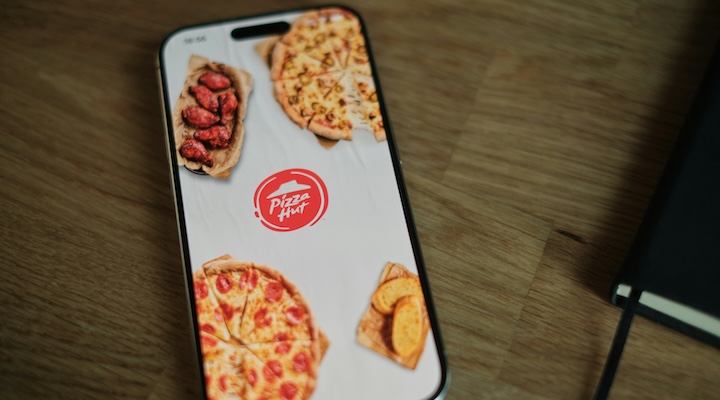
Yum Brands is selling Pizza Hut to private equity firm LongRange Capital for roughly US$1.5 billion, with the option to earn an additional US$75 million in an earn-out by 2030 if the business meets certain targets. The deal, which excludes Mainland China, was announced on June 16 and is expected to close in the third quarter, subject to regulatory approval. Shares of Yum rose nearly 2 per cent in Tuesday morning trading. Across both this sale and a separate disposal of the China business, Yum ex
expects about US$2.3 billion in net proceeds and has authorised an additional US$4 billion in share buybacks.
It is a clean break from a brand Yum has carried for nearly three decades. Once the sale closes, the company will focus on KFC, Taco Bell and Habit Burger & Grill and stop reporting Pizza Hut as a separate division. Pizza Hut joined PepsiCo in 1977 and was spun off into what became Yum in 1997. It lost its place as America’s largest pizza chain to Domino’s in 2018.
Years of struggle
The sale caps a long decline.
In its home market, same-store sales fell 4 per cent in the first quarter of this year. Systemwide sales declined 6 per cent. For the full year 2025, comps dropped 5 per cent, and systemwide sales decreased 8 per cent. The domestic footprint has contracted from 6551 restaurants five years ago to 6121 today, with another 250 closures planned in the first half of this year.
The company said the deal “provides the strongest path to maximise shareholder value”, while giving Pizza Hut “an ownership structure tailored to its distinct markets, competitive strengths and long-term priorities”.
However, many industry watchers are questioning Pizza Hut’s future under private equity ownership.
“The brands that come out of PE ownership stronger are the ones where the new owners treat local execution as a lever, not an afterthought. LongRange has the runway to fix Pizza Hut if they use it right,” said Hamilton Cable, sales development representative at digital local marketing app Local Hero.
A different fate in China
The Mainland China business follows a separate path.
Yum Brands will sell the pizza chain’s location in Mainland China to Yum China Holdings for about US$1.2 billion. Both parties have also agreed to financial incentives that would benefit shareholders if KFC China’s sales growth accelerates. They will also work together to expand Taco Bell in Mainland China.
Where the US business sagged, the China arm has been one of the more reliable performers in Asian foodservice.
For the first quarter, Pizza Hut China’s operating profit grew 18 per cent year on year to US$71 million, on top of a 27 per cent rise the year before, with operating margin expanding for an eighth straight quarter, according to Yum China’s results. Same-store transactions rose 5 per cent, marking the 13th consecutive quarter of growth, even as average ticket fell as part of a deliberate value strategy.
The pizza chain opened 207 net new stores during the first quarter of this year, close to half of its full-year 2025, with 105 net new stores opened by franchisees, accounting for 51 per cent. As of March 31, Pizza Hut’s store count in Mainland China reached 4375.
The company also introduced more than 30 new dishes in the latest spring menu, about one-third of the entire menu.
Meanwhile, Pizza Hut’s low-cost restaurant format, Wow store, saw more than 100 new locations during the quarter, helping the chain expand into new cities. Store count doubled year on year to around 390. Yum China aims to reach more than 6000 Pizza Hut stores by 2028.
Yum’s split is the latest case of Western consumer brands handing local operations to local owners to navigate a market that has become both fiercely competitive and complex.
Earlier this month, General Mills agreed to sell its Häagen-Dazs shop business in Mainland China to an investor group including Ningji, a fast-growing premium tea chain with more than 3000 outlets. The buyer takes an exclusive brand licence for ice-cream shops while General Mills keeps its retail and foodservice channels, per the company’s statement. Häagen-Dazs had shrunk to about 262 stores by May, down from a peak above 550 in 2019.
Last November, Starbucks sold a 60 per cent stake in its China retail business to Boyu Capital in a deal valuing the operation at about US$4 billion, retaining 40 per cent and licensing its brand, after losing share to cheaper local rivals such as Luckin Coffee and Cotti Coffee. Analysts increasingly view such moves as recognition that traditional multinational structures are no longer suited to the pace of China’s consumer market.
Further reading: Inside Yum China’s operating reset as China’s consumers stay cautious.