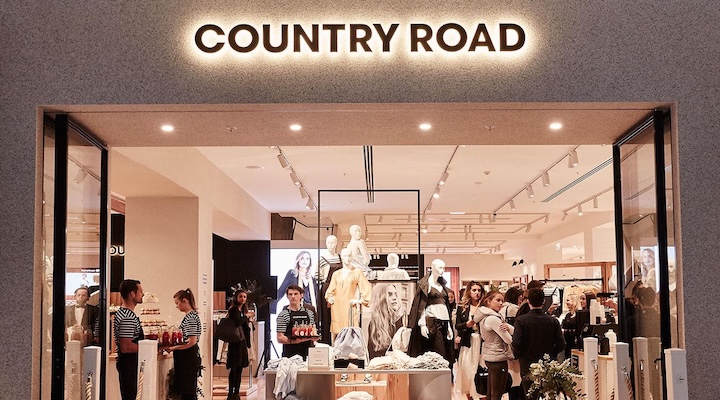
Country Road Group’s $164 million full-year loss for FY25 has raised questions about the factors that led to the decline. The retailer’s parent company, Woolworths Holdings, attributed the loss to a “significant restructure” following the separation from David Jones and unfavourable macroeconomic conditions. However, it also comes on the heels of multiple changes to the company’s senior leadership team and lingering negative publicity related to sexual harassment allegations. Retail co
Retail consultant Nicola Clement suggested this year’s results are symptomatic of a business in the early stages of a corporate turnaround. From her perspective, a comparable sales decline of 6.8 per cent is quite positive, given the circumstances.
“One year of these results does not a canary in the coal mine make for Country Road Group,” Clement told Inside Retail.
“Well-managed change takes time, and we may see a bit more of a dip as Steven Cook gets fully up to speed, but I do not believe this is the start of the end for Country Road Group,” she continued.
Cook, former boss at British department store Debenhams, was named as the successor to outgoing Country Road Group CEO Raju Vuppalapati in June and officially took over the role this month.
The new CEO is yet to announce his plan to turn around the company, but retail insiders expect it will come to light in the next six to 12 months.
“I have no doubt it’s going to be a tough time for those left in the business but an exciting time for them to make some real change for their teams and their customers,” Clement stated.
Regaining strength
While international ultra-fast-fashion brands, such as Shein and Temu, have increased their market share in recent years, retail insiders believe Country Road Group can remain competitive if it leans into its niche.
For Brian Walker, founder and director of the Retail Doctor Group, the heritage retailer’s strengths are clear: “Quality, design integrity, elevated store experiences, and the ability to craft timeless products that hold emotional as well as functional value.”
“They’re differentiators in a world that increasingly questions the disposable nature of trend-driven fashion,” he added.
Phoebes Garland, director of fashion consultancy Garland & Garland, is also of the opinion that Country Road Group remains an iconic retailer despite the recent slump and that it carries significant brand equity that can be leveraged into a turnaround strategy.
“The group’s strength lies in its ability to reframe this equity through thoughtful collaborations and design-led initiatives,” Garland told Inside Retail.
From Garland’s perspective, international players such as Uniqlo, Zara and Cos set the bar for delivering value to consumers while staying relevant through capsule collaborations and partnerships that bring fresh stories to market.
“By contrast, Country Road Group has appeared stagnant, failing to differentiate itself with bold marketing or brand reinvention,” Garland stated.
“In today’s highly competitive retail climate, quality alone is not enough – brands must constantly anticipate, innovate and evolve,” she added.
For example, she said, Country Road Group could create fresh relevance and energy by partnering with respected designers, creative directors, or even cultural figures across brands and categories, including fashion, homewares and accessories.
“The goal is not to mimic fast fashion, but to position itself as a brand of enduring style, taste and credibility,” Garland said.
Clement suggested that one way Country Road Group can innovate where its competitors can’t is by creating opportunities to cross-sell and move customers across its brands.
“Building looks from the different brands and leveraging the customer database as a group is another huge opportunity for them to lean into,” Clement hypothesised.
“Help customers see all their purchases from across the brands in one place to help with outfit idea generation, with recommendations for new items to add to elevate their wardrobe or update it for the coming season,” she continued.
Whether Country Road Group decides to create more pathways for customers to shop across its Country Road, Witchery, Trenery, Mimco and Politix labels or not, reinvention appears to be necessary.
“A new logo or campaign is cosmetic; true reinvention demands product innovation, operational agility, a deeper consumer connection and the courage to evolve brand DNA without losing it,” Walker stated.
Building loyalty
Much has been said about Country Road Group’s ability to leverage its history as an Australian retailer. Its namesake brand, Country Road, was established in 1974, and Witchery was established in 1970.
However, Walker cautioned that heritage can become a crutch rather than a foundation.
“Consumers in 2025 expect more than brand nostalgia – they expect relevance, innovation and alignment with their own values,” he explained.
“A brand’s past is valuable, but only if it’s used as a springboard to demonstrate authority in quality, storytelling and design leadership.”
Garland agreed that legacy alone is not enough to secure loyalty. However, she pointed to RM Williams as an example of an Australian brand that has successfully reinforced its heritage while restoring its relevance after years of decline.
“A legacy brand must actively invest in storytelling and marketing to resonate with new generations while continuing to serve its established customer base,” she elaborated.
Although balancing the prominence of brand heritage with modern trends and shopping behaviour is a difficult act, Country Road Group can win back customer loyalty by honouring their taste.
“I think the rate of change in the competitive landscape, tastes of customers and choice has significantly increased, and more than ever, brands need to be tapped into their existing and target customers’ wants and needs,” Clement concluded.