Last year, Inside Retail asked Lush co-founder Rowena Bird which of her company’s campaigns she was most proud of. “I like the ones where we get into trouble,” she said. “Because then you know you’ve hit the right spot.” Lush is a retailer whose windows accommodate fragrant soaps and bath bombs while simultaneously appealing to the public conscience. It’s no surprise then that trouble comes with the territory. The brand’s planned departure from 10 Australian Westfield stores has
now invited speculation about how those convictions sit with its choice of landlord.
In particular, the move has revived discussion of its Gaza campaign last year, with some commentators questioning whether the signage dispute played a part. That connection remains unconfirmed, while the company’s stated ambitions alluded to growth. A spokesperson told news.com.au the stores will close as leases expire. “We aim to grow our presence across the country by serving local communities in the right locations with the appropriate size and type of store.” Even so, a phased withdrawal inevitably piques interest in what prompted it, where the business will go next, how much space it will need and what sort of customers it endeavours to reach.
A window into the business
Lush unapologetically wears its convictions on its sleeve. In November 2021, it withdrew globally from Instagram, Facebook, TikTok and Snapchat, bringing to focus social media’s risks to mental health, particularly young people. It was a stance reinforced by Facebook whistleblower revelations. Its Gaza campaign brought those convictions to its Australian doorsteps when on October 23, 2025, the retailer closed its Australian shops, website and Sydney factory for a day, displaying signs reading “Stop starving Gaza – we are closed in solidarity.” This masthead reported that Westfield covered campaign signage at the time.
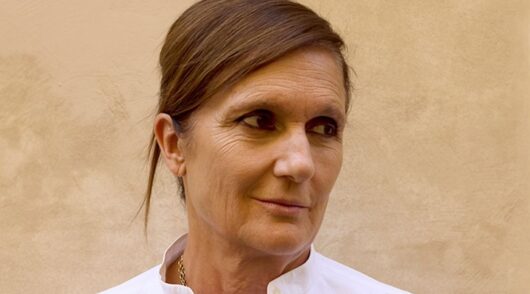
Bird recounted that before its Australian campaign, in the UK, shopping-centre posters were placed over Lush’s Gaza message, then removed by a person working opposite. “We’d seen it in the UK first, and we didn’t know what the reaction was going to be like [in Australia],” she said, recalling the apprehension preceding the campaign, concerns about staff safety and the possibility of upset visitors. She discussed the thinking behind the campaign. “We don’t do politics, we don’t do religion,” she said, explaining its message centred on access to food as a fundamental human right. “It was just all about starvation. That was all it was about.”
Read the lease, too
Retail Community CEO and co-founder Dean Salakas raised the unanswered question this week’s media are trying to figure out. “We don’t yet have a clear public explanation of who decided not to continue the leases or why”. The signage dispute may provide some context, but the reasons behind the departures still hang in the air. For Salakas, too, Lush’s history of acting on its convictions offers a useful lens for understanding the business. “From a business perspective, I find the consistency interesting,” he wrote, referring to its 2012 campaigns against animal testing and its 2018 support for changing the date of Australia Day. “These decisions affect how Lush markets, what appears in its windows and whether its doors open.”
Such choices carry commercial consequences, although their full effect is difficult to measure. As Salakas put it, “taking a stand can give people a stronger reason to buy from you. It can also give others a reason never to shop with you again.” Bird’s recollections offered a glimpse into what Lush stands for from the founders’ perspective, suggesting why the brand values the right space; its departure from Westfield could mark the start of a more ambitious Australian presence. The next addresses will tell us more, but until then, the expiry of 10 leases deserves examination of their commercial terms.