Automotive parts group Bapcor has reported its first-quarter sales for this fiscal year fell 2.7 per cent to A$497.7 million, with its profit set to decrease due to operational and restructuring costs.
The company said group revenue fell due to poor performance in its trade, retail and New Zealand segments.
CEO and executive chair Angus McKay said the company continues to confront legacy operational issues uncovered during its business transformation program.
“Some of the practices that have been accepted inside the wider business do not meet acceptable operational standards nor the required financial or commercial expectations,” said McKay.
“The turnaround of the business is more challenging and taking longer than expected, but will result in a stronger, more sustainable company.”
Bapcor’s trade segment, which includes the Burson Auto Parts network, saw a revenue decline of about 0.9 per cent as a result of competitive pricing and customer-specific discounting.
Tools and equipment sales were also impacted by tighter credit management and a review of operational practices.
The company’s networks segment recorded an improvement in earnings, caused by warehouse rationalisation and improved competitiveness in the wholesale and commercial vehicle group.
However, the JAS auto business continues to be impacted by the previous year’s consolidation.
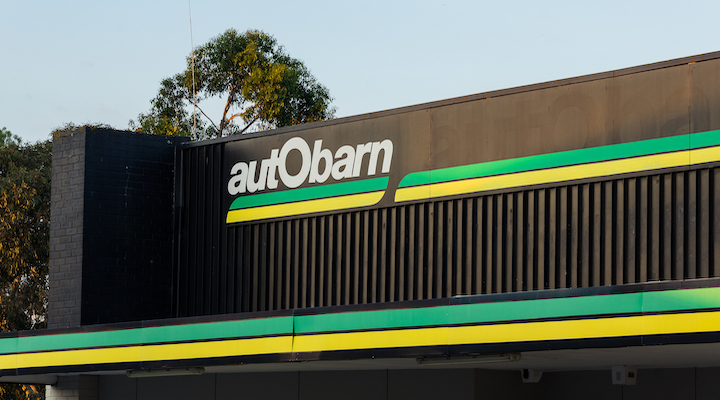
Retail sales remained under pressure caused by reduced discretionary spending and heightened competition, particularly at Autobarn.
The company said that promotional mix adjustments and supplier support helped stabilise gross margins.
In New Zealand, trading conditions deteriorated further in the quarter as customers shifted to lower-margin products and price-based competition increased.
Bapcor has launched a series of cost management initiatives, including supply chain optimisation, office restructuring and reprioritisation of technology spend.
The program is expected to generate around A$20 million in pre-tax savings in the second half of this fiscal year, offset by implementation costs of around $4 million in the first half of the fiscal year.
For the six months to December 31, Bapcor expects statutory net profit after tax to be between $3 million and $7 million, excluding any potential New Zealand impairments, with full-year statutory net profit after tax between $40 million and $50 million.