The 2010s marked a powerful era for direct-to-consumer (DTC) native brands, including Warby Parker, Allbirds, and Glossier. Some brands, like Warby Parker and Glossier, have managed to grow, although the latter’s growth has been in stops and starts, beyond the DTC channel. Where other brands, like Allbirds, are struggling to stay relevant to today’s ever-more expectant consumer. One DTC-native brand that has experienced impressive growth over the decade since its launch is the functional
tional handbag and accessories brand Caraa.
The company was co-founded by the husband-and-wife duo of Aaron Luo and Carmen Chen Wu, who serve as the brand’s CEO and creative director, respectively, after they identified a unique white space in the handbag category.
Focusing on a mix between functional but fashionable design and a strategic approach to omnichannel expansion, the brand has steadily grown since first launching in 2015. This year, Caraa surpassed US$50 million in total sales, experiencing an impressive growth of 34 per cent year-over-year.
Inside Retail connected with Luo to discuss the company’s journey from a DTC-native handbag brand to its rise as a thriving omnichannel, multi-category accessories brand.
Inside Retail: How did you come up with the concept for Caraa?
Aaron Luo: Caraa was founded with the mission of redefining the high-end handbag category by making products that are as functional as they are beautiful.
We [Wu and I] have always been obsessed with handbags, but too often, they fall short in practicality. Through material innovation, thoughtful design and smart functionality, we aimed to create exquisite, performance-driven handbags that could keep up with the busy, dynamic lifestyles of our customers.
IR: What have been the biggest challenges in building the brand thus far? How have you dealt with these issues?
AL: As we celebrate our 10th anniversary, it’s incredible to reflect on the wide range of challenges that come with building a high-end functional fashion brand from the ground up.
One of the most important and complex issues of running the business thus far has been centered on people management. Getting the right people on the bus and into the right seats has been a challenge, but it has also been one of our biggest advantages. Our “small but mighty” team has been the backbone of Caraa’s success.
Another challenge has been evolving alongside our customers. The way people shop and discover brands is constantly changing, and we’ve had to continuously innovate in our customer acquisition strategies to stay connected and relevant.
IR: What have been some of your biggest accomplishments thus far?
AL: There are so many milestones to be proud of. From launching in 2015 with just two stock-keeping units (SKUs) to now offering over 200 SKUs across 30 countries has been a remarkable journey.
We’ve been recognised along the way, like being named ‘Most Innovative Startup Brand’ by Digiday and dubbed the brand that “invented the athleisure handbag” by Fast Company. But perhaps our proudest achievement is building a business rooted in sustainable, positive margins.
Unlike many venture-funded DTC fashion brands chasing fast growth and quick exits, we’ve always focused on longevity – making decisions in design, operations and finance that ensure we’re building a century-old brand that lasts. After a decade in business, that discipline continues to pay off.
IR: In the hypercompetitive accessories industry, particularly the handbag sector, how does Caraa stand out? What are the brand’s main differentiation points?
AL: Design, design, design – that’s the cornerstone of everything we do. We’re laser-focused on a very specific customer and her lifestyle. She’s a professional, a mom and a traveler – someone constantly on the move.
What sets us apart is our mastery of performance-driven nylon bags. We aim to own that category entirely, so when she’s looking for the perfect bag to carry her through any part of her life, she knows she can count on Caraa for a luxurious, functional and beautifully crafted solution.
IR: In what ways does today’s accessories market differ from that of when Caraa first entered the market in 2016?
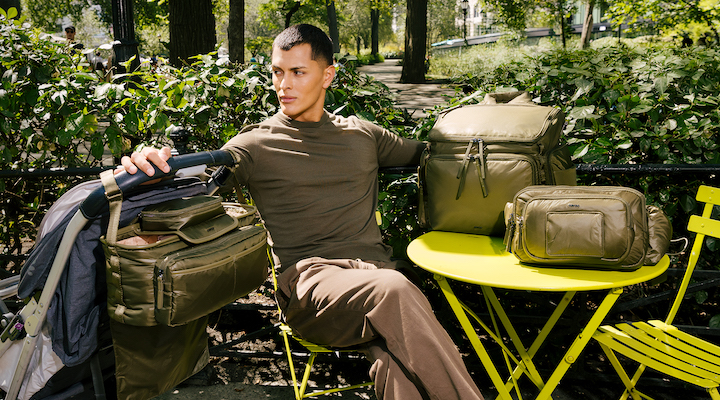
AL: The market has evolved tremendously – and so have we. We started as a sport-focused brand but quickly expanded into the travel, baby, pet, and leisure categories as our customers began asking for more from us.
Once they use one of our bags, customers return after falling in love with our design ethos and quality, and want a Caraa bag for every part of their lives.
Today, we see ourselves as a true lifestyle brand for the modern human on the go.
IR: In what ways has the brand adapted, from product design to omnichannel expansion, to keep up with today’s consumer preferences?
AL: Beyond expanding our product categories, we’ve evolved our retail strategy.
While we began as a DTC brand, we now partner with key retailers like Nordstrom and select specialty stores.
Our philosophy is simple: be where she shops. Whether it’s online, in-store or through curated pop-ups, we want to meet her wherever she feels most comfortable.
IR: In 2024, Caraa surpassed US$50m in total sales, experiencing 34 per cent year-over-year growth. What took place between 2023 and 2024 to enable that growth?
AL: Strategic wholesale partnerships were a driver, expanding our reach to new customers.
We also doubled down on meaningful collaborations and partnerships that authentically extended our brand presence and deepened engagement with our community.
IR: Moving forward into 2026, what strategies does the brand intend to incorporate to continue this growth trajectory?
AL: Our growth strategy begins and ends with our customer.
We’re relentlessly focused on understanding her – how she lives, shops and travels – and using those insights to guide everything from product innovation to retail strategy.
That data-driven approach ensures our next chapter of growth feels organic, intentional and deeply connected to her needs.
IR: What can consumers expect to see from the brand moving into 2026?
AL: We’ve been carefully exploring brick-and-mortar and pop-up experiences, and 2026 will likely be the year you see us in select key markets. As for product launches, we don’t want to spoil the surprise just yet, but rest assured, there’s plenty of exciting innovation ahead.
IR: What is one piece of advice you would give to the day-one version of yourself regarding your brand-founder journey?
AL: Be patient. Don’t get caught up in the entrepreneurial race for fast money or fast growth. Great brands take time to build. Unrealistic expectations can lead to unwise decisions, but thoughtful, long-term thinking builds businesses that endure.
Slow and steady truly wins the race.
Further reading:What it means to build a ‘DTC-smart’ brand for today’s retail environment