
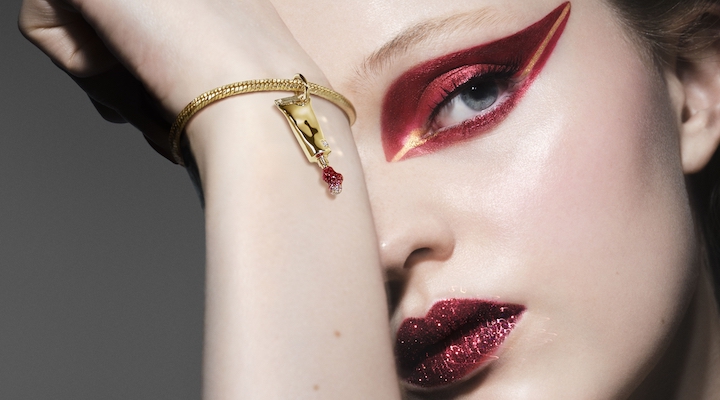
Pandora’s latest results suggest its efforts to reinvigorate the brand are gaining traction, with sales growth prompting an upgrade to its full-year guidance. But while new designs and campaigns are attracting shoppers, sustaining that momentum will depend on turning renewed interest into loyal customers. Much of the company’s strategy centres on moving beyond the charm bracelets that made it famous. Pandora has expanded its Talisman collection, collaborated with makeup artist Pat McGrath an
and launched two creative platforms, Pandora Wonders and Pandora Voices, as it looks to broaden its appeal. “Pandora’s growth engine is re-energising,” said president and CEO Berta de Pablos-Barbier. “More distinctive designs and culturally relevant marketing are driving brand heat.”
Clearly, the brand is on the right track. In the third quarter, the jewellery giant reported organic growth of six per cent with like-for-like sales up four per cent. Revenue reached 6.69 billion Danish kroner (US$1 billion), while Pandora narrowed its 2026 organic growth guidance to between two and three per cent, up from a previous range of zero to three per cent.
The company plans to build on its initiatives in 2027, with a broader portfolio of distinctive products and an updated store concept designed to make shopping more expressive and engaging.
What Pandora is getting right
Neil Saunders, managing director at GlobalData, said several factors were driving Pandora’s recent sales growth.
“Pandora is benefiting from its strategy to widen the product mix beyond charms, where it already has a strong market share,” Saunders told Inside Retail. “The more rounded assortment is helping to drive growth with existing shoppers who now have more things to buy. It has also won Pandora some new customers. In the US, an effort has also been made to upgrade the store experience and many of the newer shops are now more expressive and interesting, and they support the broader range.”
Retail brand strategist and marketing consultant Bethany Paris Ramsay agreed that Pandora had become more successful at creating desirable jewellery.
“The brand has been giving consumers reasons to reconsider what they associate with Pandora,” Ramsay said. “Its emphasis on more distinctive design, including the expanded Talisman collection, builds on its heritage in symbolism and storytelling while creating room for a broader jewellery wardrobe.”
She also pointed to Pandora Wonders, a multi-year creative platform that pairs signature jewellery materials with annual collaborations involving global tastemakers and designers. The initiative, she said, has given the brand fresh cultural relevance and a stronger design conversation.
“The commercial value comes when that attention makes a particular piece desirable enough to purchase,” Ramsay said. “A recognisable collaborator can attract an audience; the jewellery needs to sustain its interest.”
Where does Pandora go from here?
Ramsay sees further opportunities for Pandora to encourage existing customers to explore its broader assortment, while attracting shoppers who previously associated the brand primarily with charm bracelets.
Maintaining that momentum, however, will require a clear connection between its marketing, products and shopping experience.
She also stressed the importance of protecting Pandora’s accessible positioning, particularly as it experiments with new materials.
Pandora began trialling platinum-plated jewellery in the Netherlands in July. Following positive customer feedback, it expanded the range into other markets, including the US, UK and Australia.
“Elevating design can strengthen perceived value, but customers still need to understand what they are paying for,” Ramsay said. “As Pandora expands its platinum-plated jewellery trials, clear communication about materials, durability and care will be essential to maintaining trust.”
This is particularly important in the US, a key market for Pandora, where shoppers are weighing discretionary purchases. The brand’s accessible pricing remains an important part of its appeal.
“The next test is whether this renewed interest produces consistent full-price demand and repeat purchasing,” Ramsay said. “Pandora has a powerful foundation in emotional attachment. Its task is to keep giving that attachment a fresh, desirable product expression.”
Balancing accessibility and desirability
For Barney Stacher, CEO of consultancy Retail OCD, Pandora faces a fundamental question: Can a brand be everywhere and still feel special?
As it moves beyond its traditional association with charm bracelets, Pandora must be careful not to lose the emotional connection that made those products successful.
“There’s a fine line between being accessible and being ordinary,” Stacher said. “The more familiar a brand becomes, the harder it has to work to remain desirable. And Pandora certainly doesn’t want to become the jewellery equivalent of a refrigerator magnet from every tourist destination.”
Stacher also cautioned that some of the company’s margin improvement had benefited from a one-time tariff refund. While its financial performance was encouraging, sustainable growth would depend on consumer demand, product innovation and operational execution rather than temporary financial benefits.
“Pandora’s opportunity isn’t simply to sell more jewellery,” Stacher said. “It’s to become a brand consumers return to as their lives, relationships and personal styles evolve.”
“The smartest retailers understand that getting someone through the door is only the beginning,” he added. “Giving them a reason to come back, without constantly bribing them with a discount, is where the real magic and margin happens.”


