Squishy toys banned in the UK remain available for purchase in New Zealand, highlighting a “vulnerability” in the country’s product safety measures, according to Consumer NZ.
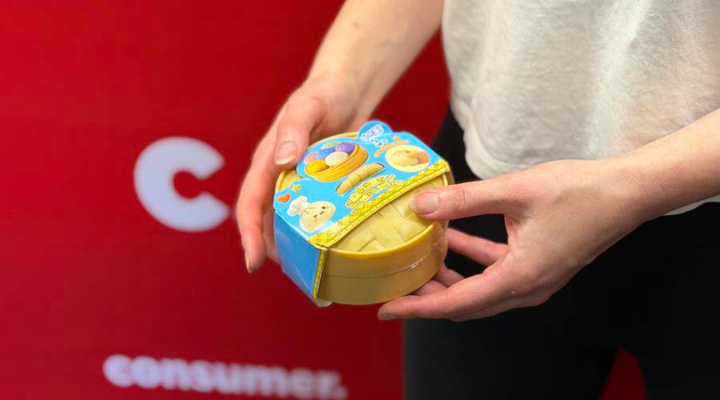
The banned toy, Squeezy Dumplings – an imitation of UK toy company RMS’ viral Squishy Dumpling – contains benzene, which can cause skin irritation and other health risks if ingested.
Although the product is not sold through New Zealand retailers, Consumer NZ said it was able to purchase Squeezy Dumplings from AliExpress last month.
Consumer NZ head of research and advocacy Gemma Rasmussen said the ease of accessing potentially unsafe toys through online marketplaces exposes a “fundamental weakness” in New Zealand’s product safety system.
“Shoppers shouldn’t have to wonder whether a toy is safe,” Rasmussen said.
“Our product safety laws have not been significantly updated in decades, while our in-store and online marketplaces have changed dramatically.”
Rasmussen said many consumers assume products undergo independent safety testing before reaching the market. In reality, manufacturers are still responsible for ensuring products comply with safety standards.
“That system only works if manufacturers are doing the right thing and problems are identified quickly,” she said.
“Unfortunately, that’s not always the case.”
Consumer NZ said recent product safety incidents have raised broader concerns about relying on supplier assurances.
Earlier this month, research by the Auckland University of Technology confirmed asbestos was present in some children’s play sand sold locally.
The organisation said product safety frameworks in New Zealand and Australia often rely on risk assessments commissioned by suppliers rather than independent testing.
“Whether it’s asbestos in play sand or benzene in a toy, these cases demonstrate why we cannot rely solely on manufacturers’ own safety claims,” Rasmussen said.
“We need our government to introduce a product safety system in Aotearoa that reflects the risks we currently face in our marketplaces.”