Engines roared across Marina Bay as the lights went out for the Singapore Grand Prix last weekend. From rooftop terraces to trackside lounges, Champagne flowed and the city glittered in the humid night. Beyond the circuit, boutiques in Marina Bay Sands and Orchard Road buzzed with international visitors, while exclusive after-parties and pop-up lounges filled the city’s luxury calendar. The Formula 1 weekend, one of Singapore’s most anticipated events this year, is a reminder that this compa
mpact island can host the world’s most affluent travellers and tastemakers with effortless precision. Yet beneath the glitz lies a deeper ambition.
For decades, Singapore has been a magnet for affluent consumers across Southeast Asia. The city’s luxury market has long relied on tourism, driven by affluent travellers from Indonesia, Malaysia, and Mainland China, who flocked to Orchard Road and The Shoppes at Marina Bay Sands for the latest from Louis Vuitton, Hermès, and Cartier.
Yet as nearby markets such as Bangkok and Kuala Lumpur rise as travel and shopping hubs and as luxury brands become more accessible across the region, Singapore is working to redefine what it means to be a destination for the wealthy.
The country’s luxury sector’s future may hinge less on retail square footage and more on its cultural capital and its ability to act as a stage for experiences, creativity and lifestyle aspirations.
In recent years, the city has doubled down on large-scale cultural and entertainment events to sustain its allure. Global music acts, such as Taylor Swift, Coldplay, and Blackpink, have drawn record crowds, boosting hotel occupancy and luxury spending across the island.
And this October, Singapore’s homegrown luxury event UltraLuxe returns to Orchard Road, offering a glimpse into how the city-state hopes to shape its own creative identity.
The rise of niche luxury
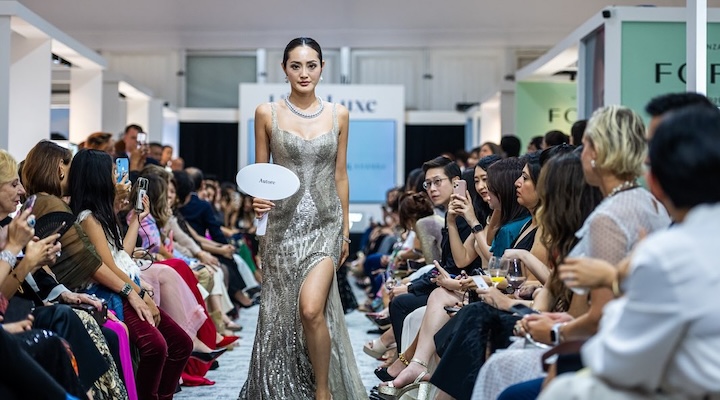
Now in its fourth edition in partnership with the Singapore Tourism Board, the event, held this October during the Grand Prix season, brings together jewellery, fashion, art, wellness, gastronomy and design under one expansive tent at Ngee Ann City.
Ultraluxe’s curatorial focus on “niche luxury”, which, according to its founder, referred to independent brands defined by craftsmanship, authenticity, and creative direction.
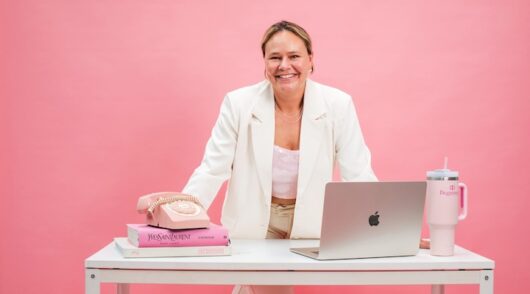
“Niche luxury means the independent brands that are committed or dedicated to perfecting their design, craft and innovation that produce quality work that is inspiring to our consumers and also bring high-quality materials that they can enjoy for a long time,” Angela Loh, founder and CEO of Ultraluxe, told Inside Retail.
“These are not mass-produced. They are in limited quantities, and they also have very strong independent style direction and brand DNA that makes them iconic and distinctive.”
Around the world, small ateliers and designer-led houses are finding new audiences among affluent consumers who value story, provenance, and personality over scale. Loh hopes that Singapore can provide the connective tissue – the infrastructure, visibility and credibility – to help these brands thrive.
“We are creating a platform that brings local and global brands together so they will be able to present the best of Singapore in niche luxury,” she said.
“We are rallying a community to support the appreciation and the shopping of Singapore’s niche luxury by creating awareness and engagement.”
This year, UltraLuxe debuts VerveArté: The Art of Life, a programme that expands its scope beyond jewellery into lifestyle and wellness, offering themed experiences across art, fashion, gastronomy and wellness.
“After the pandemic, we have observed that jewellery is no longer purchased out of passion,” Loh said.
“It has become part of a style statement, an investment or portfolio of an alternative investment and a person’s status symbol and lifestyle that defines the individual.
“Jewellery has played a part in integrating into all aspects of a person’s life. To be able to carry the jewellery off, we want to celebrate women who are good-looking on the outside and internally too.
“Wellness is also important for them, so they can look vibrant and enjoy the jewellery for a longer time.”
She added that Ultraluxe has also expanded its content for men, integrating watches, design, and bespoke craftsmanship into its programming.
Local voices, global standards
Among the participating designers is Carolyn Kan, founder of Carrie K. Fine Jewellery. Kan’s brand is known for blending Asian heritage with modern design through collections such as Wearable Wishes, which is inspired by symbols of fortune (Wu Fu), harmony and kinship.
“Singaporean designers like Carrie K bring a rare ability to blend Asian heritage stories with modern design. Many women today buy jewellery not just for themselves, but with the view that it will one day be passed on to their children,” Kan said, adding the challenge is that traditional pieces often feel too dated for younger generations.
She said local collectors are increasingly taking pride in supporting homegrown brands that bring a distinctly Singaporean voice to the global luxury market.
Meanwhile, for Loh, the long-term goal is to create an ecosystem where independent luxury brands can collaborate and innovate under one cultural umbrella.
“We capitalise on the aggregation of brands through the creation of large-scale festivals so we can attract international and regional audiences to our festival, in which they will be exposed to our niche luxury brands in an elevated way,” she added.
Events like UltraLuxe demonstrate how Singapore can translate its reputation for precision and order into something more emotionally resonant.
“Consumers are more independent – they seek what they connect with,” Loh said. “Story is important, and they do not just follow trends or stories that are fed to us by international media.
“They are starting to look at the artisan, they are starting to be interested in talents, their passion for craft. They are interested to know more and how it can come to a construction of a work of art or innovation.”
In the first nine months of 2024, international visitors spent SGD$3.9 billion on shopping, a 5 per cent increase year-over-year, as marquee events and immersive experiences drew travellers from around the region.
French jeweller Van Cleef & Arpels unveiled Les Jardins Secrets at Raffles Singapore, while Audemars Piguet opened its first Southeast Asian flagship and café at the same hotel. Meanwhile, Raffles City has been courting the beauty and fashion segment, hosting over 20 luxury pop-ups featuring brands such as Chanel, Dior, and Gucci.
According to Euromonitor International, luxury sales in Singapore are expected to reach US$10.9 billion this year, representing a 7 per cent year-on-year increase, driven by its expanding millionaire population and a steady recovery in tourism spending.
While the Formula 1 Grand Prix and Taylor Swift concerts may draw cashed-up crowds to the city, events like UltraLuxe show how Singapore can channel that same energy toward something more lasting.
Further reading: How Raffles City is reinventing the luxury beauty playbook in Singaporey fatigue.