Lululemon has recently opened its first global flagship in Japan. Spanning 1220 square metres, the Harajuku store is now the brand’s largest in Asia Pacific. It is the fullest expression yet of a store design concept the company has built around three principles: movement, connection and sensory engagement. Lululemon Harajuku carries a sculptural logo centrepiece produced with furniture maker Karimoku and Torafu Architects, commissioned artworks referencing Meiji Shrine, Yoyogi Park and
nd Ura-Harajuku, and the brand’s first in-store personalisation services in Japan.
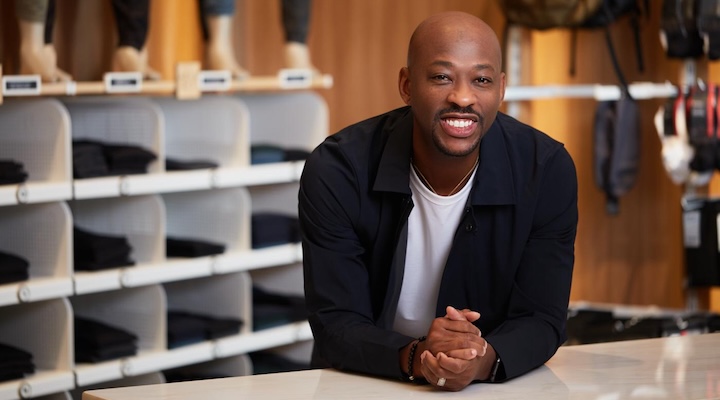
Elliot Harris, senior VP and GM for Asia Pacific, spoke to Inside Retail about what the store is meant to earn, how Japanese shoppers differ from those in China, Korea and Australia and why he does not want Harajuku replicated anywhere else.
Inside Retail: Plenty of retailers are getting more selective about physical space. What makes this the right moment for lululemon to build its largest store in Asia Pacific?
Elliot Harris: Japan is an important market for our wider Asia Pacific strategy and one of Asia’s most influential markets for brand, culture and product. Japan continues to show strong demand for premium brands that can deliver quality, innovation and meaningful guest experiences. We’ve also seen a fitness and wellness boom, with the Japanese sports apparel market projected to grow into a US$15 billion business by 2032, reflecting continued opportunities for the brand.
As our largest store in Asia Pacific and a flagship location that takes on our global store design concept, the new Harajuku store reflects our long-term commitment to Japan and Asia, and our focus on building meaningful guest engagement.
There’s no doubt that retail has evolved tremendously, but we firmly believe that a unique, dynamic retail experience remains one of the most powerful ways to celebrate our products and community.
IR: What did you learn from your existing stores in Japan that pushed you to go this much bigger?
EH: Over the years, we’ve seen meaningful engagement from Japanese guests and a growing appetite to experience lululemon beyond our heritage in yoga, into categories such as running, training, golf, tennis and everyday movement.
Japanese guests are highly engaged, highly sophisticated and place exceptionally high expectations on quality, functionality, design and service. They want more than just a transactional retail experience. They value product education, authentic community connection and experiences that help them engage more deeply with a brand.
Those insights reinforced our belief that there was an opportunity to create a flagship destination that more fully expresses the brand. Harajuku allows us to bring together product innovation, elevated guest experiences and community connection in one space.
IR: How is the Japanese consumer different from those in your other major Asia Pacific markets?
EH: One of the things I’ve always appreciated about Japan is the exceptionally high standard guests bring to every aspect of the retail experience.
Japanese guests are particularly thoughtful and intentional in their purchasing decisions. They value craftsmanship, longevity and versatility, which aligns strongly with lululemon’s focus on technical innovation and premium quality.
Importantly, those expectations push us to keep innovating and improving the way lululemon shows up to support an active, everyday lifestyle. As one of the most discerning consumer markets in Asia Pacific, Japan is a source of valuable insights that help shape how we evolve products and experiences across the broader region.
IR: Could the Tokyo flagship become a blueprint for how lululemon approaches major cities elsewhere in Asia, or is the intention to make the experience distinctly Japanese?
EH: The answer is both.
We have a global vision for what a flagship should represent: an elevated expression of the lululemon brand built around product innovation, guest experience and community connection. Those principles remain consistent regardless of market.
At the same time, local relevance is incredibly important. The most successful flagship experiences reflect the culture, creativity and community of the market they’re in. At Harajuku, that comes to life through collaborations with local artists and creative partners, site-specific artworks inspired by the surrounding neighbourhoods, traditional Furoshiki gift wrapping, and our first in-store personalisation services in Japan.
On the product side, offerings such as Asia Fit are designed to better meet the needs of our guests in the region. We also curate our assortment to reflect how active lifestyles are evolving locally, from Japan’s vibrant running, training, tennis, golf and movement communities to the ways guests integrate movement into everyday life.
As we continue to grow across Asia Pacific, we’ll certainly take learnings from Harajuku, but our goal is never to replicate experiences market by market. It’s to create destinations that feel authentic to the communities they serve while remaining true to the lululemon brand.
IR: Lululemon has long talked about community as part of its brand proposition. How does that philosophy translate into the physical design and programming of this flagship?
EH: The Harajuku store has been designed to bring together movement, wellbeing and community, creating opportunities for guests to engage with ambassadors, local partners and fellow community members throughout the year.
Around the Harajuku opening, initiatives such as Hatsu Run are examples of how we bring that philosophy to life.
Our vision is for the Harajuku store, like other flagships, to become a hub where people come not only to shop, but to discover, connect and experience what the lululemon community stands for.
IR: Are you seeing younger Japanese consumers engage with lululemon differently from previous generations, and how is that influencing the store experience?
EH: Across Asia Pacific, we’re seeing younger consumers take an increasingly holistic view of wellbeing. They move fluidly between fitness, work, travel and social experiences, and they’re looking for brands and products that can support those different parts of their lives. That’s one reason we’re focused on showing how lululemon can support guests across more moments of the day, from yoga and training to running, commuting, travel and everyday movement.
At the same time, younger consumers are seeking experiences and communities, not just products. That’s why community remains such an important differentiator for Lululemon..
IR: Has the role of the flagship fundamentally changed as retail becomes more digital?
EH: Flagship stores play an important strategic role in building brand awareness. They help guests discover the brand, experience our products firsthand, and build deeper connections with our community.
Flagship stores and digital experiences are complementary and create powerful synergy. Digital channels are incredibly effective for convenience and accessibility, but flagship stores provide something that can’t be replicated online: they give guests the opportunity to immerse themselves in a brand and experience it in a deeper, more meaningful way.
While the way guests shop continues to evolve, the role of a flagship remains highly relevant as a place where brand, product and community come together in a uniquely impactful way.
IR: What is the one thing you hope people understand about lululemon after spending an hour in this store?
EH: I hope people leave seeing lululemon as a brand that inspires and supports a life of movement, wellbeing and connection.
While innovative products are fundamental to our success, what makes lululemon special is how we bring together product innovation, premium experiences and community to create meaningful connections with our guests.
Harajuku is designed to bring that to life. It offers guests the opportunity to discover our products, experience the brand in an immersive way, and connect with a community that shares a passion for movement and wellbeing.
Further reading: Can Lululemon move forward after ending its civil war?